Last updated: January 2026
Are dating apps dead?
The world of dating and human interaction has been greatly influenced by the emergence of dating apps. Just a decade ago, these powerful tools made their way into our smartphones, offering a fresh horizon for singles who are tech-inclined. However, there seems to be a recent shift in the trend, with talks about the waning popularity of these platforms. Whether it’s due to disappointing dating experiences or a re-emphasis on privacy, there’s a noticeable buzz about singles exploring other alternatives. In this discussion, we examine this developing trend and delve into realms where love may be thriving away from the conventional dating apps.
The Emergence of Dating Apps
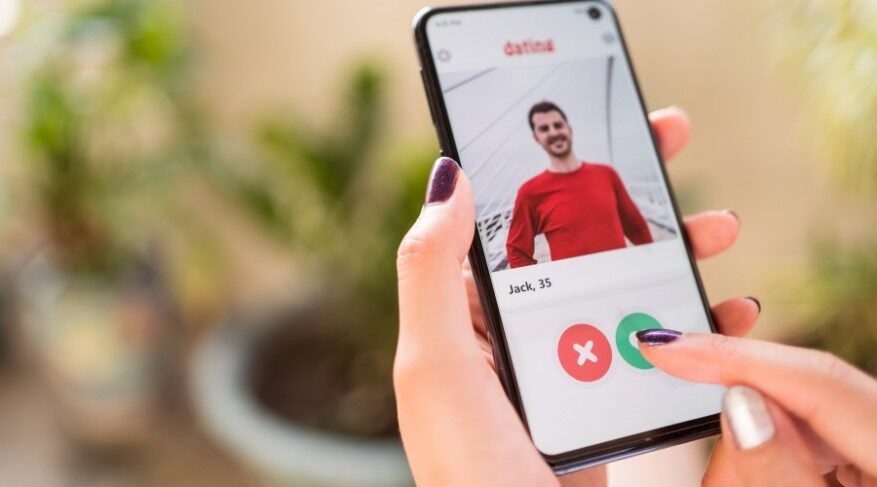
Just a decade ago, swipe-inclined platforms such as dating apps stormed our smartphones, promising:
- Exciting new prospects for singles,
- Tech-based approaches to finding love,
- New and potentially more convenient ways of interacting with others.
Decline in Popularity
Lately, speculations about a plateau in their popularity, or even their decline, have begun to circulate. This could be due to:
- A series of unpleasant dating experiences,
- A shift towards a more privacy-centric approach to dating,
- Over-saturated market with numerous dating platforms.

Beyond Traditional Apps
There’s growing chatter about singles exploring beyond these apps. We’ll examine this phenomenon and explore:
- Where else are singles turning to find love?
- How is this shift affecting the overall dating scene?
- What could this spell for the future of dating apps?
The Rise and Plateau of Dating Apps
In the past decade, dating apps have experienced an explosion of popularity. The digital courtship landscape was bleak before Match.com made its debut in the mid-90s. Shortly after, a steady stream of similar platforms followed, culminating in a tidal wave of swipe-based apps – think Tinder and Bumble – in the 2010s. These apps quickly became embedded in the collective psyche, offering an increasingly convenient and immediate way to connect with potential partners, virtually turning the quest for love into a pastime.
However, recent data suggests we might be seeing a tapering off in this trend. After years of steady user base growth, the juggernauts of the dating app world have recorded a stutter in momentum. According to a report by eMarketer, after an initial increase in users in 2019, Tinder, Bumble, and others like them, experienced a slowdown in user growth through 2020 and a plateau in 2021. The study attributes this slowed growth to a variety of factors, including market saturation and dating app fatigue.
Moreover, the very popularity that these apps once enjoyed becomes a trap as they become crowded and impersonal, often reducing the plethora of human emotion to a simplistic mechanism of swipes or likes. Hence, while dating apps may have revolutionized the way the singles meet, mixed with the unusual circumstance of the global pandemic, they appear to have hit a plateau, ushering a sea of change in the dating landscape as we know it.
Why Singles are Moving Away from Dating Apps
One of the key questions in the current dating landscape is why many singles are choosing to migrate away from dating apps. Surprisingly, or perhaps not, it’s more of an amalgam of factors than a single, definitive reason.
The first culprit appears to be dating app fatigue. Sure, swiping right or left while sipping on your morning cup of Joe was fun and fresh back in 2012. Fast forward to the present, the years of casual swiping have taken a toll on seasoned app users. This monotony—a repetitive cycle of matching, chatting, with little to no result—has gradually transformed into an overwhelming digital burnout.
Then comes the ever-pertinent concern of privacy. While the modern world of dating was reveling in the convenience of meeting love interests at the tap of a screen, it also unconsciously exposed itself to a myriad of privacy issues. Remember that time when a leak from a popular dating app exposed millions of user details? Leaving users at risk of doxing and stalking? The past decade was rife with such instances, making many singles think twice before entrusting their private information to a digital platform.
However, one of the most significant factors pushing singles away from dating apps is arguably a newfound preference for more organic connections. Endless swiping sans actual compatibility, impersonal mindless texting, and contrived virtual profiles have resulted in a communal yearning for authenticity. There’s a growing disillusionment in the virtual “fast food” style of dating where quantity appears to have steamrolled quality. A survey by Pew Research found that 54% of online daters felt that someone else seriously misrepresented themselves in their profile, adding to the dissatisfaction.
Thus, it wouldn’t be wrong to suggest that the ‘one-size-fits-all’ nature of dating apps isn’t exactly living up to its claim. With app fatigue setting in, privacy concerns rampant, and a palpable desire for genuine connection over contrived virtual profiles, it’s clear why singles are exploring alternative dating spheres. And this is where the landscape of ‘alternatives’ begins to reveal itself, a different path leading the way to romance.

Alternative Paths to Romance: What Singles are Doing?
Moving away from established digital platforms doesn’t necessarily mean that singles are going back to the old ways of wooing. In their search for a more holistic and authentic connection, singles are now diversifying their approaches and trading dating apps for other innovative, yet meaningful spaces.
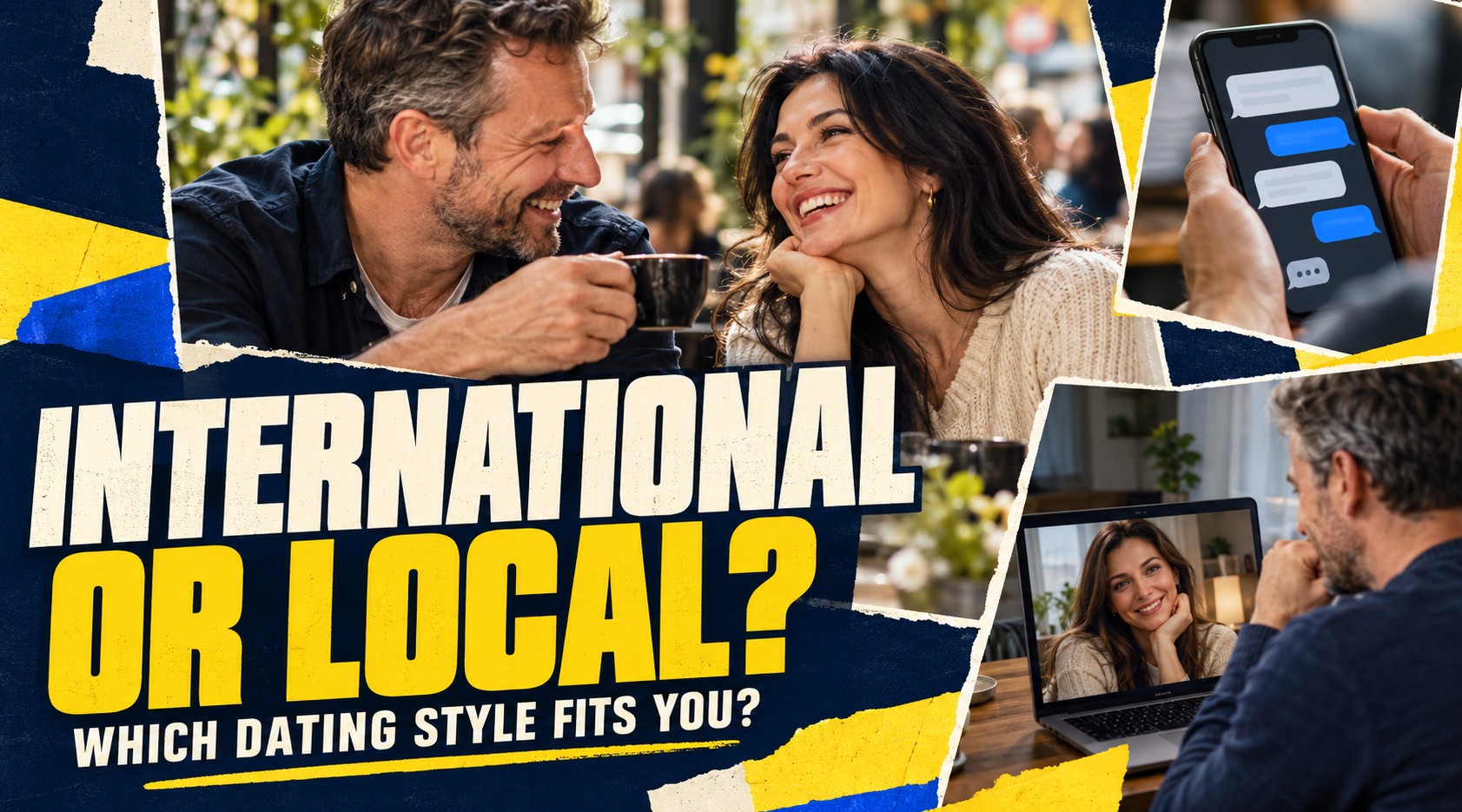
One such route is international dating, a style that brings its own unique set of opportunities. With the world essentially a global village, it only seems logical for folks to toss the geographical boundaries aside and look beyond the local horizon. International dating platforms are so designed to ease the search for love across borders and believe it or not, it’s catching on for good.
Moving on, online communities seem to be gaining popularity as another alternative. These communities, either fostered through social media or specific websites, entail discussion forums, shared-interest groups, or interactive gaming platforms. The serene environment in these spaces allows for more genuine conversations, fostering connections that go beyond the superficial.
Last, but certainly not least, are in-person scenarios – classic but effective. Be it speed dating events, hobby classes, or friendly gatherings, there’re singles who have taken it upon themselves to exploit the advantage of physical presence to its uttermost. They take a leap, face the awkwardness and forge connections that might have been impossible in the digital world.
Dream Singles, an international dating website, is one of the popular gateways that singles are flocking to, for believable alternatives. It’s not just a dating site, it’s a platform that takes you to a unique international dating experience, unlike any other. So, if you’re having the blues with the usual dating apps, maybe it’s time to take a glimpse into the world of Dream Singles here. The other side might just be the shade of green you’ve been yearning for.
How Platforms like Dream Singles are Paving the Way
Once upon a time, traditional dating apps ruled the roost in the realm of online romance. Fast forward to the present, and upstarts like Dream Singles are stealing the spotlight. Marking itself distinctly apart from the pack, Dream Singles’ allure lies in its emphasis on international connections, providing a smorgasbord of opportunities for singles across the world to find love.
So, how does this whole Dream Singles shebang work? Let’s cut to the chase.
Singles interested in casting their romantic nets across international waters simply kick off their journey at the Dream Singles website. Here, users create a profile that serves as their digital self-introduction to would-be mates across the globe. Advertised as a hub for global love-seekers, this platform lets you filter potential matches based on your preferred nationality, age, and more. In essence, it transforms a world of potential partners into a manageable, tailored list.
The Dream Singles app further refines this process, ensuring romantic connection is never more than an arm’s reach away. The mobile interface neatly carries over all the favorite features from the full site. Scroll through profiles, send messages, and even partake in live video chats – a far cry from the superficial swiping mechanism that dating apps have been criticized for.
In a nutshell, Dream Singles is obliterating the boundaries of geography in the quest for love. With such platforms changing the playing field, one can’t help but wonder if this is the start of a new era of dating. Indeed, perhaps these international love portals represent the dating frontier we’ve all been waiting for.

Making a Successful Shift: Online Openers that Work
Now, the key question is: how can individuals successfully shift from traditional dating apps to alternative platforms? It’s all about adapting and learning the ropes, ensuring that the transition is smooth. Adjusting to a different context, such as Dream Singles or other international dating sites, calls for altering your approach somewhat.
One major element to tweak? Your opening message, or ‘opener’.
While generic openers might work in familiar, local contexts, when it comes to international and alternative platforms, opening with a thoughtful and customized message could be the game-changer. A flat “Hey, what’s up?” can’t expect to compete with a well-informed question about a person’s profile or interests, right?
That’s where the wisdom from “Ukraine girls online” comes into play. They offer insights into crafting online openers that will genuinely resonate and start an interesting conversation. As they rightly point out, it’s not just about being funny or witty – it’s about starting a dialogue that allows you and the other person to genuinely connect. Some tips include browsing through the person’s profile thoroughly before getting in touch, finding common interests, and personalizing your messages.
A great sample opener from their website goes like this: “I noticed that you’re a big fan of jazz, just like me! Who’s your favorite artist and why?” This message stands out because it’s personal, friendly, and invites a detailed response. By relating to a shared interest, it initiates a conversation that’s grounded in a common passion.
So, here’s the crucial takeaway: A strategic investment in crafting your initial messages can significantly enhance your experience on these alternative platforms. By demonstrating genuine curiosity and interest, you’ll not only step up your dating game but also potentially open the doors to lasting and meaningful connections.
Conclusion
In conclusion, our journey through the evolution of digital dating has led us to some interesting findings. The rise of dating apps and their subsequent plateau paints a telling story of a culture adopting digital matchmaking and then seeking a more full-bodied approach. This shift away from traditional dating apps has been influenced by a combination of factors, including app fatigue, privacy concerns, and a desire for more authentic connections.
As an alternative, singles are lending their hearts and hopes to platforms that offer them a different, richer experience. Examples like Dream Singles pave the way for international bonds to be made, reminding us that love has no borders and our connectivity today is a testament to just that. The skills acquired from traditional dating apps are not wasted, but rather repurposed, adapting to new platforms and modes of connection.
Looking ahead, the future of dating seems progressive and promising. As we continue to embrace technology yet also return to our roots of organic connection, we are essentially shaping new paths to romance. What doesn’t change, however, is that age-old aspiration for love and companionship. In our digital world, distance and anonymity no longer limit the possibility of finding that ‘one’. Singles today, bolstered by both technology and the renewed desire for authenticity, have the world at their fingertips – and indeed, love could be just one swipe, tap, or message away.